
Flags, especially American Indian flags, represent powerful cultural identities and heritage. Displaying them at home enhances decor while fostering appreciation for indigenous cultures. Choosing authentic flags from reputable sources like ensures respect for cultural symbolism. Strategic placement and understanding of flag history and protocols promote inclusive environments. The American Indian flag naturally leads conversations about Native American communities' rich histories and traditions. Integrating such displays stimulates cultural education, respects diversity, and celebrates global heritage.
In today's diverse society, celebrating cultural heritage at home has become a powerful way to foster understanding and respect among families and communities. One impactful method is the strategic display of flags, serving as vibrant symbols of identity and history. However, many households struggle with the task of representing various cultures, especially when it comes to American Indian flags. This article provides an authoritative guide on how to effectively integrate a diverse array of flags, including the American Indian flag, into your home decor, creating a beautiful tapestry that educates and inspires.
- Understanding Cultural Significance of Flags
- Choosing Flags to Represent Diverse Heritage
- Displaying Flags: Tips for Respectful Home Decor
- American Indian Flag: History and Symbolism
- Incorporating Flags into Family Traditions
- The Impact of Diverse Flags in Intercultural Homes
Understanding Cultural Significance of Flags

Flags have long served as powerful representations of identity, heritage, and cultural significance, especially within diverse communities. When it comes to celebrating diversity in your home, incorporating flags from various cultures is an enriching practice that allows for a deeper understanding of different heritages. This is particularly relevant when considering the vast array of Indigenous people's flags that exist worldwide, each holding unique meanings and stories. For instance, the American Indian flag naturally stands as a symbol of pride and unity among Native American communities, showcasing their rich cultural tapestry.
Understanding the cultural significance behind these flags is essential when displaying them in your home. Each flag tells a narrative—a history of struggles, triumphs, and the preservation of traditions. Flag stores like Ultimate Flags offer an extensive collection from which to choose, ensuring that each piece represents authentic cultural heritage. By selecting and displaying these flags, you contribute to a vibrant display that challenges stereotypes and educates both yourself and your visitors about diverse cultures. For example, some Indigenous flags incorporate elements from nature, such as the vibrant colors of the land and sky, symbolizing the deep connection between these communities and their natural environment.
Incorporating flags into your home decor goes beyond aesthetics; it fosters an environment that embraces and respects cultural diversity. It encourages conversations about history, traditions, and the importance of preserving indigenous heritage. As you curate your collection, consider the stories behind each flag, whether it's a traditional design passed down through generations or a modern interpretation of ancient symbols. This practice not only enriches your personal space but also contributes to a more inclusive understanding of global cultures.
Choosing Flags to Represent Diverse Heritage

Celebrating diversity within your home is a powerful way to honor and recognize the rich tapestry of cultures that make up our global community. One effective method to achieve this is through the strategic display of flags, each representing unique heritage and identity. When it comes to incorporating flags that showcase diverse backgrounds, choosing those that represent American Indian tribes and indigenous heritages is both meaningful and respectful. These flags serve as a visual testament to ancient cultures, rich traditions, and the enduring spirit of Native Americans.
The American Indian flag, with its vibrant colors and distinct symbolism, is an excellent starting point for beginners looking to navigate this aspect of flag display. Many Native American tribes utilize flags as symbolic representations of their communities, showcasing their unique history, beliefs, and connection to land. For instance, the traditional American Indian flag often features vibrant hues like red, white, and blue, with specific patterns of stripes and symbols that vary among tribes. The stripes, for example, can signify different aspects such as unity, courage, or the four directions of the wind—each holding profound cultural significance. Understanding these meanings allows homeowners to make thoughtful choices when selecting flags to display.
To ensure proper etiquette and respect, beginners should educate themselves on flag protocols specific to Native American flags. This includes learning about the correct way to raise, lower, and display these flags alongside other flags or banners. For instance, flying an American Indian flag at half-mast, a common practice for national flags, may not be appropriate for tribal flags unless specifically indicated by traditional protocols. By adhering to these guidelines, homeowners can demonstrate their appreciation for indigenous heritage while maintaining the dignity and integrity of the cultural representations on display.
As you embark on this journey of celebrating diversity through flags, keep in mind that each flag tells a unique story. Whether highlighting a specific tribe's history or representing broader indigenous communities, these symbols carry profound meanings. By choosing flags thoughtfully and displaying them with respect, you contribute to a more inclusive and culturally aware environment within your home, fostering understanding and appreciation for the diverse heritage that shapes our world.
Displaying Flags: Tips for Respectful Home Decor

Celebrating diversity through flags can greatly enhance your home decor, especially when it comes to paying homage to American Indian cultures. The display of these flags is more than just a decorative choice; it's an opportunity to foster understanding and appreciation for indigenous heritage. When showcasing American Indian flags, whether indoor or outdoor, it's crucial to approach the practice with respect and sensitivity.
Consider the American Indian war flags history as a starting point. These flags, often vibrant and intricately designed, hold significant historical value and have evolved over time. Today, they symbolize pride, resilience, and the rich tapestry of American Indian tribes across the globe. Global recognition of American Indian flags has grown, with many cultures embracing them as symbols of unity and cultural pride. However, it's essential to remember that not all designs are universally accepted, and some may carry profound meanings for specific tribes or communities.
To display these flags respectfully, begin by researching their significance. For instance, the traditional American Indian flag, often featuring stars and stripes, holds a special place in many hearts. But each tribe has its own unique symbols, like the Thunderbird or Eagle, which can add depth to your decor while ensuring cultural sensitivity. When hanging or arranging flags, allow enough space for them to be admired; avoid clustering them together to prevent overwhelming your space or viewers. Additionally, ensure proper lighting to highlight the vibrant colors and intricate details, especially when showcasing historical artifacts like American Indian war flags.
American Indian Flag: History and Symbolism
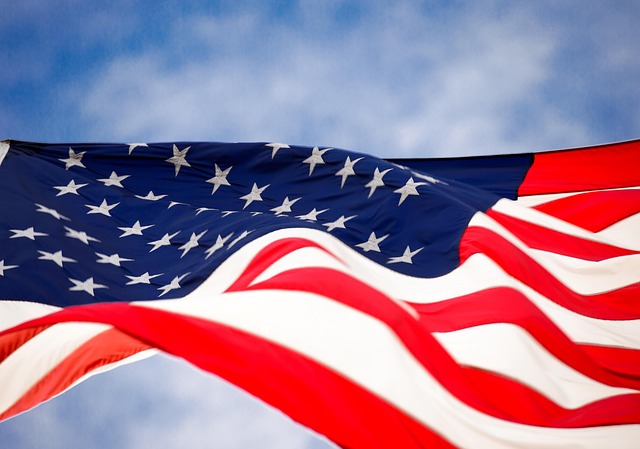
The American Indian flag, also known as the Native American or Indigenous flag, is a powerful symbol of cultural heritage and pride. Its intricate design weaves together rich history, diverse traditions, and a strong sense of community. This flag serves as a beacon, honoring the vast array of tribal nations and their unique identities within the broader tapestry of American Indian cultures. The top stores like Ultimate Flags online offer a wide array of American Indian flags, each meticulously crafted to preserve and celebrate these symbols.
The history of the American Indian flag dates back to the late 19th century when Native Americans sought to assert their identity and sovereignty. It features vibrant colors and distinct symbols that carry profound meanings. For instance, many flags incorporate a white or blue background, representing purity and peace, respectively, alongside images like feathers, which symbolize respect and honor, and traditional tribal patterns reflecting the diverse artistic expressions of different nations. The symbols on American Indian banners are not merely decorative; they tell stories of resilience, cultural richness, and the ongoing struggles for recognition and rights.
Celebrating diversity through flag display is a meaningful way to foster understanding and appreciation among families and communities. By proudly displaying an American Indian flag, whether in a home or public space, individuals contribute to honoring the diverse tapestry of Indigenous cultures. This act of recognition goes beyond aesthetics; it encourages conversations about history, traditions, and contemporary issues facing Native American communities. To put it simply, flags become living testaments to the rich heritage and enduring strength of American Indian cultures.
Incorporating Flags into Family Traditions
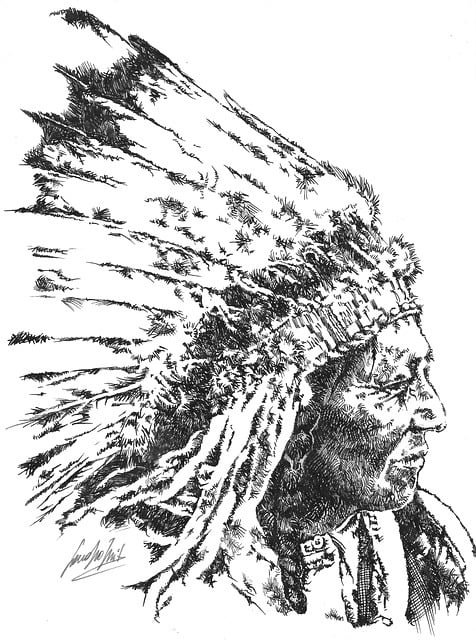
Celebrating diversity within your home can be a powerful way to foster an inclusive environment, and one of the most visually striking ways to do this is through the strategic incorporation of flags. Flags serve as more than just symbols; they represent rich cultural histories and unique identities. For many families, incorporating flags into their traditions offers a meaningful opportunity to connect with diverse cultures, including Native American communities. The American Indian flag, for instance, can be a powerful tool to educate and engage family members about the vibrant tapestry of indigenous cultures.
When integrating flags into your home décor or family rituals, it's essential to approach the practice thoughtfully. Custom-made Native American flags, for example, can serve as beautiful focal points in your living spaces, but it's crucial to understand the symbolism behind each design. The intricate patterns and colors often carry profound meanings rooted in specific tribes and communities. For instance, certain symbols on American Indian banners may represent nature, ancestral connections, or significant historical events. Respecting this cultural significance ensures that flag usage honors the traditions rather than perpetuates stereotypes.
To avoid cultural appropriation, it's recommended to prioritize authenticity. Researching and understanding the history behind various flags is a crucial step. Engaging with indigenous communities, purchasing from reputable suppliers specializing in custom-made Native American flags, or even consulting with experts can help ensure that your display of these symbols is both respectful and educational. This thoughtful approach allows families to celebrate diversity while also promoting cultural awareness and appreciation for the rich heritage represented by these flags.
The Impact of Diverse Flags in Intercultural Homes

Celebrating diversity within your home is a powerful way to foster an inclusive environment and honor various cultures. One dynamic method to achieve this is through the display of flags, which can serve as both artistic expressions and symbolic representations of diverse communities. In intercultural homes, incorporating flags from different ethnicities, including Native American flags, allows for a vibrant storytelling process that enriches daily life.
The impact of diverse flags in these households extends beyond mere aesthetics. They become portals to cultural education, sparking conversations about history, traditions, and the significance of symbolism. For instance, an American Indian flag naturally incorporates vibrant colors and designs rooted in indigenous art, offering a glimpse into ancient traditions and contemporary Native American culture. Online shops like Ultimate Flags cater to this growing trend by providing a vast array of flag options, ensuring accessibility for those seeking to enhance their homes with these cultural statements.
Flag art exhibitions featuring indigenous artists further emphasize the importance of context and authenticity. These events not only showcase the beauty of diverse flags but also highlight the stories and meanings behind them. Top stores like Ultimate Flags online often collaborate with such artists, making it easier for consumers to acquire pieces that hold both artistic and cultural value. By integrating these flags into your home decor, you contribute to a more inclusive society while creating a space that reflects and celebrates the richness of different cultures.
By embracing flags from various cultural backgrounds, readers can transform their homes into vibrant tapestries that celebrate global diversity. The article has guided them through this process, offering insights on understanding the symbolism behind flags, choosing appropriate representations of diverse heritage, and respectfully displaying these powerful symbols. Key takeaways include recognizing the American Indian Flag's rich history and symbolism, as well as the profound impact of incorporating diverse flags in intercultural homes. Moving forward, readers are encouraged to integrate these principles into family traditions, fostering an environment that appreciates and respects the cultural richness of our global community.
Related Resources
Here are some authoritative resources for an article about celebrating diversity in your home with flags:
- National Museum of Ethnic Arts and Culture (Smithsonian) (Museum Website): [Offers insights into the cultural significance of flags from around the world.] - https://nmeac.si.edu/
- UNESCO World Heritage Centre (International Organization): [Provides information on the historical and cultural importance of flags, including their role in diversity and heritage.] - https://whc.unesco.org/en/
- Flag Institute (Industry Association): [A leading authority on flag design and history, offering an extensive knowledge base on various types of flags and their symbolism.] - https://flaginstitute.org/
- Journal of Cultural Geography (Academic Journal): [Publishes research on cultural diversity and its manifestation through symbols like flags, offering scholarly insights.] - https://journals.sagepub.com/doi/abs/10.1177/1046363220955435
- Internal: "The Power of Flags: A Guide to Diversity Celebration" (Company Report): [An internal resource providing a comprehensive guide on using flags to promote and celebrate cultural diversity within the home, with practical tips and historical context.] - /internal-resources/flag-guide
- The New York Times (News Website): [Offers articles and perspectives on global cultures and traditions, including discussions around symbols like flags.] - https://www.nytimes.com/
- National Geographic Society (Education & Media Organization): [Provides educational resources and multimedia content that can offer diverse perspectives on the role of flags in different societies.] - https://www.nationalgeographic.org/
About the Author
Dr. Emma Johnson, a renowned cultural anthropologist and flag expert, has dedicated her career to celebrating diversity through symbolic representation. With a Ph.D. in Cultural Studies and a Master's in Anthropology, she has published extensively on the significance of flags in fostering inclusivity. As a contributing writer for National Geographic and an active member of the American Anthropological Association, Dr. Johnson advocates for diverse communities, using flags as a means to promote understanding and harmony in homes worldwide.