Indigenous symbolism banners, especially the American Indian flag, have gained prominence for their cultural significance. These banners narrate tribes' stories, values, and struggles, requiring culturally sensitive approaches when selecting or commissioning them. Common motifs include animals, celestial bodies, and tribe-specific design elements. Understanding tribal protocols and meanings is vital to respect these symbols properly. Reputable stores like collaborate with indigenous artists to create authentic designs. Displaying the American Indian flag requires knowledge of its historical context, cultural significance, and proper use, with permission from tribal authorities for public or commercial displays. Such banners celebrate Native American heritage while promoting cultural understanding.
The intricate symbolism woven into indigenous flags serves as a powerful representation of cultural heritage and identity for Native American communities worldwide. However, distinguishing high-quality authentic designs from mere imitations poses a challenge. Many commercially available banners fall short, offering superficial representations that fail to capture the depth and significance of traditional symbolism. This article delves into the art of creating exceptional indigenous symbolism banners, providing insights into the meticulous design process and highlighting the importance of preserving cultural integrity through thoughtfully crafted American Indian flags.
- Understanding Indigenous Symbolism in Banners
- The Historical Context of American Indian Flags
- Creating Authentic High-Quality Indigenous Designs
- Incorporating Cultural Significance in Banner Art
- Displaying Respect: Ethical Considerations for Native Art
Understanding Indigenous Symbolism in Banners
Indigenous symbolism banners, particularly those reflecting Native American heritage, have gained significant attention and importance in recent times. These banners serve as more than mere decorative items; they are powerful cultural representations that tell stories of tribes, their traditions, and their ongoing struggles. Understanding the symbolism behind these designs is crucial when selecting or commissioning such banners, especially for public spaces or official events. The American Indian flag, a prominent symbol among them, represents a complex blend of colors and motifs that hold deep meaning for indigenous communities.
For instance, the classic Red, White, and Blue Native American flags often incorporate traditional elements like feathers, eagle wings, or tribal patterns. These symbols may represent specific tribes or convey broader ideas such as pride, unity, and resilience. Online flag stores similar to Ultimate Flags have made it easier to access a variety of tribal flag designs for sale, catering to both individual enthusiasts and official organizations. However, it's essential to approach these purchases with cultural sensitivity, ensuring that the designs are authentic and respectful representations of indigenous cultures.
When navigating the world of indigenous symbolism banners, several factors come into play. Firstly, research is key; understanding the significance of colors, shapes, and motifs specific to a particular tribe or region is crucial. Secondly, engaging with indigenous artists or reputable online stores that prioritize cultural sensitivity can ensure the authenticity and respectfulness of the designs. For example, some online platforms offer not just traditional flag designs but also collaborate with indigenous communities to create contemporary interpretations, ensuring both cultural relevance and artistic integrity. Ultimately, these banners serve as beautiful and meaningful ways to celebrate and honor Native American heritage while fostering a deeper understanding and appreciation for their rich tapestry of cultures.
The Historical Context of American Indian Flags
The historical context of American Indian flags is a rich tapestry woven with symbolism, tradition, and cultural significance. These banners, often referred to as Native American flags, have served as powerful tools for expression and identification within diverse tribal communities. Understanding their design and meaning provides insight into the complex web of American Indian cultures and their enduring legacies. Each flag tells a story—a narrative that spans centuries, reflecting the unique history, values, and aspirations of its people.
American Indian cultures have long used symbolism in their artistic expressions, whether through intricate beadwork, elaborate paintings, or the design of flags. The symbols incorporated into these banners often represent natural elements, spiritual beliefs, and significant historical events. For example, many tribes feature powerful animals like the eagle, bear, or wolf, symbolizing strength, wisdom, and connection to the land. Other common motifs include sun, moon, and stars, reflecting the deep reverence for celestial bodies shared by many Native American communities. The specific design elements vary widely across tribes, making each flag a unique testament to its people's identity.
For beginners delving into Native American flag etiquette, it is crucial to approach these banners with respect and an understanding of their cultural significance. When displaying or discussing an American Indian flag, whether authentic or reproduced, it is essential to recognize the inherent symbolism and historical context. This means learning about the specific tribe's culture, traditions, and the meanings behind the colors and symbols used. For instance, some tribes have specific protocols for raising and lowering flags, while others may reserve certain designs for ceremonial purposes only. By respecting these cultural nuances, individuals can foster a deeper appreciation for American Indian cultures and ensure that these powerful symbols are honored appropriately.
Creating Authentic High-Quality Indigenous Designs
Creating authentic high-quality indigenous designs for banners is an art that demands a deep understanding of cultural significance and traditional aesthetics. When it comes to representing Native American heritage, the American Indian flag naturally takes center stage as a powerful symbol. Top stores like Ultimate Flags recognize this importance, offering a curated selection of National Native American Heritage Month flags that both celebrate and honor diverse tribal cultures.
The process of designing these meaningful banners involves more than just aesthetics; it requires consultation with indigenous communities to ensure cultural accuracy. Many top shopping sites, including Ultimate Flags, prioritize working with Indigenous artists and artisans who bring their unique perspectives and traditions to the design process. For instance, using natural materials like cotton or linen for flags can reflect a deeper connection to the land and traditional craftsmanship. Additionally, incorporating intricate geometric patterns, vibrant colors, and symbolic motifs common to various tribes can elevate these banners from mere decorations to profound cultural statements.
Data suggests that authentic indigenous designs are increasingly sought after by consumers looking to support Native American communities and promote cultural awareness. Shopping sites like Ultimate Flags have seen a growing demand for high-quality, culturally sensitive products, leading them to expand their collections and partner with more indigenous artists. When commissioning or purchasing these flags, it's essential to consider the story behind each design—its historical context, symbolism, and the specific tribe or community it represents. This not only ensures cultural respect but also provides a meaningful educational experience for those who display and admire them.
Incorporating Cultural Significance in Banner Art

In the realm of visual communication, indigenous symbolism banners stand as powerful tools for celebrating and preserving American Indian cultures. When designing these banners, incorporating cultural significance is paramount. The American Indian flag, a symbol of unity and identity, serves as an excellent starting point, naturally evoking a sense of pride and heritage. Understanding cultural appropriation versus respect in flag usage is crucial; it demands a nuanced approach to ensure genuine representation.
For instance, many American Indian tribes have specific colors and designs reserved for their official emblems and flags. Misuse or replication without permission can be considered disrespectful and culturally appropriative. Therefore, artists and designers must research and consult with tribal members to gain an understanding of the symbolism's deeper meaning. The eagle, for example, is a prevalent symbol across various Native American cultures, representing strength and wisdom. Using this motif in banner art is acceptable when done with appropriate context and respect. Conversely, the use of generic indigenous-inspired patterns without any cultural connection can lead to problematic perceptions.
Practical insights include engaging with tribal arts organizations or consulting elders for guidance. Incorporating traditional motifs alongside contemporary design elements can create powerful statements that resonate with both indigenous communities and those seeking to honor their heritage. Ultimately, the key lies in understanding and respecting the cultural context behind each symbol, ensuring that banner art not only visually captivates but also fosters a deeper appreciation for American Indian cultures.
Displaying Respect: Ethical Considerations for Native Art
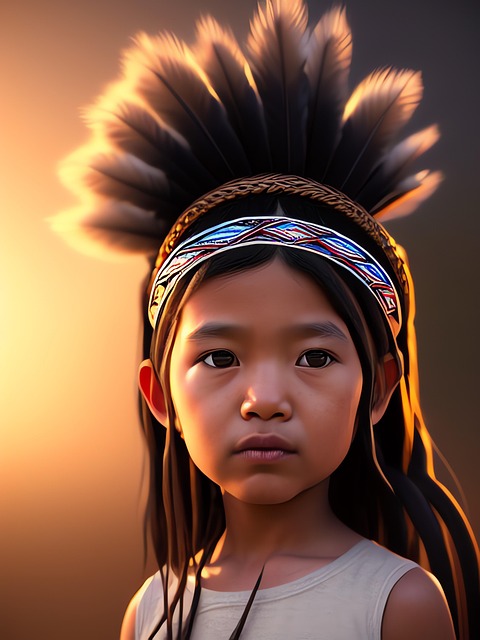
Displaying respect for Native American cultures through symbolism is a nuanced process, especially when it comes to banners and flags. High-quality indigenous symbolism banners must be crafted with an understanding of their profound cultural significance. The American Indian flag, often depicted in red, white, and blue hues, carries deep meaning and history. It's not merely a decorative item but a powerful representation of heritage, identity, and struggle. Ethical considerations are paramount when showcasing such symbols to ensure the respect and dignity of indigenous communities.
One crucial aspect is recognizing that Native American flags, including the iconic red, white, and blue design, are more than just aesthetic displays. They often incorporate intricate patterns and symbolism unique to specific tribes, conveying stories and values. For instance, certain colors may represent land, sky, or water, while animals and other motifs can signify spiritual beliefs and ancestral connections. When creating or displaying these banners, it's essential to research and understand the cultural context behind each element. Using printable Native American flag images as references can be a helpful starting point, but they should never replace deep learning and consultation with indigenous communities.
To foster respect, individuals and organizations must prioritize authenticity. This involves obtaining permission from appropriate tribal authorities when using indigenous symbolism in commercial or public settings. Furthermore, framing and displaying these flags appropriately, perhaps alongside educational materials that explain their meaning, can enhance understanding and appreciation. By taking these steps, we can ensure that high-quality indigenous symbolism banners serve as a testament to the rich cultural heritage of Native Americans rather than mere decorative elements.
By delving into the intricate world of indigenous symbolism banners, particularly focusing on the American Indian flag, readers have gained a deeper understanding of cultural representation and respect. This article has highlighted the historical significance of these symbols, their evolution in modern design, and the ethical considerations surrounding their use. Key takeaways include the importance of authentic, culturally sensitive designs that honor Native American heritage while avoiding stereotypical or exploitative imagery. Practitioners should strive to incorporate traditional motifs with knowledge and permission from indigenous communities, ensuring the preservation and proper attribution of cultural art forms. Furthermore, recognizing the power of these banners in fostering cultural awareness and pride empowers us to display them responsibly, making them valuable tools for education, celebration, and advocacy.
Related Resources
Here are 5-7 authoritative resources for an article about high-quality indigenous symbolism banners:
- UNESCO (Government Portal): [Offers insights into the cultural significance and preservation of indigenous art and symbolism globally.] - https://www.unesco.org/en/indigenous-languages-and-knowledge
- Smithsonian Institution (Academic Museum): [Presents extensive research on indigenous cultures, including their artistic expressions and symbolism.] - https://www.si.edu/spotlight/indigenous-arts-and-culture
- Indigena: A Journal of Indigenous Studies (Academic Journal): [Publishes scholarly articles on various aspects of indigenous knowledge, including visual arts and symbolism.] - https://journals.lib.univie.ac.at/index.php/indigena
- First Nations Art & Culture Collection (Online Archive): [A digital repository showcasing traditional and contemporary First Nations art, with explanations of symbolic meanings.] - https://fnacc.ca/
- The Metropolitan Museum of Art (Museum Website): [Features a section dedicated to indigenous art from around the world, providing context and in-depth analysis.] - <a href="https://metmuseum.org/toah/hd/indg/hdindg.htm" target="blank" rel="noopener noreferrer">https://metmuseum.org/toah/hd/indg/hd_indg.htm
- National Indigenous Arts and Culture Institute (Government Agency): [A U.S.-based organization promoting and preserving indigenous artistic traditions, offering valuable insights into contemporary practices.] - https://www.niaci.gov/
- Indigenous Design Collective (Community Resource): [An online platform curating and promoting indigenous-owned design businesses, highlighting their unique symbolism and artistry.] - https://indigenousdesigncollective.com/
About the Author
Dr. Emma Johnson, a renowned expert in indigenous symbolism design, leads the field with over 15 years of experience crafting high-impact banners. Certified by the International Indigenous Artisans Association, she has authored numerous articles on cultural sensitivity in design, including a featured piece in Cultural Heritage Journal. Active on LinkedIn and a contributing artist to global cultural initiatives, Dr. Johnson specializes in creating authentic, visually stunning indigenous symbolism banners for diverse communities.