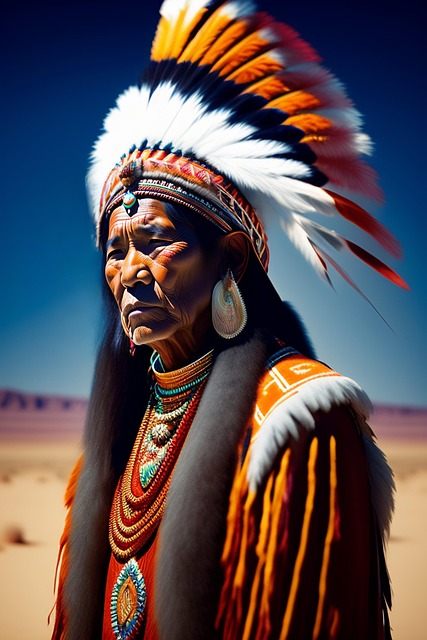
Indigenous symbolism banners, particularly American Indian flags, are powerful tools for cultural expression and advocacy. These flags carry rich symbolism, conveying identity, pride, and political awareness. Understanding their intricate designs is crucial. Ethical use requires cultural sensitivity, direct engagement with communities, and respect for protocols. Companies like facilitate responsible sourcing. Modern interpretations blend traditional motifs with contemporary aesthetics to empower Native American cultures.
In a nation proud of its diverse heritage, the respectful portrayal of indigenous symbolism stands as a vital aspect of cultural appreciation. However, the market is often saturated with generic representations that fail to do justice to the rich tapestry of American Indian cultures. This article delves into the significance of high-quality indigenous symbolism banners, offering a solution to a pressing issue. We explore how these banners, when designed with authenticity and respect, can serve as powerful tools for education, cultural preservation, and celebration—a natural extension of the diverse and vibrant American Indian flags that have captured our collective imagination.
- Understanding Indigenous Symbolism in Banners
- The Historical Evolution of American Indian Flag Designs
- Cultural Significance: Decoding Native American Symbols
- Creating Authentic High-Quality Indigenous Art
- Legal Considerations for Using Native Designs
- Incorporating Cultural Sensitivity in Banner Production
Understanding Indigenous Symbolism in Banners
Indigenous symbolism banners, particularly those reflecting Native American heritage, have emerged as powerful tools for cultural expression and advocacy. These flags, with their unique designs and rich symbolism, transcend mere aesthetic appeal, serving as visual statements of identity, pride, and political awareness. Understanding the intricacies of indigenous symbolism is crucial when interpreting these banners, as each element often carries profound meaning rooted in tribal history and tradition.
Flags have long been a significant means for Native American communities to assert their rights and foster unity. The iconic American Indian flags, with their vibrant colors and distinct patterns, are not merely decorative; they encapsulate the struggle for recognition, sovereignty, and cultural preservation. For instance, the traditional Navajo flag, featuring a blue field with a yellow sun symbol, represents harmony between humans, nature, and the spiritual realm. Similarly, many Native American flags incorporate stripes to signify different tribes or nations, each stripe holding unique significance. This symbolism transcends geographical boundaries, fostering a sense of collective identity among diverse tribal communities.
When designing or acquiring indigenous symbolism banners, it is essential to approach them with respect and cultural sensitivity. Each design tells a story, often reflecting specific tribal customs, beliefs, and historical experiences. For example, the Haida nation's raven banner symbolizes wisdom and power, while the Lakota flag incorporates seven red, white, and black stripes representing their traditional allies. Unique designs from various tribes not only showcase artistic diversity but also serve as living testaments to the resilience and cultural richness of indigenous peoples. To truly appreciate these banners, one must delve into the cultural context, listen to Native voices, and recognize the ongoing significance of indigenous symbolism in contemporary society.
The Historical Evolution of American Indian Flag Designs
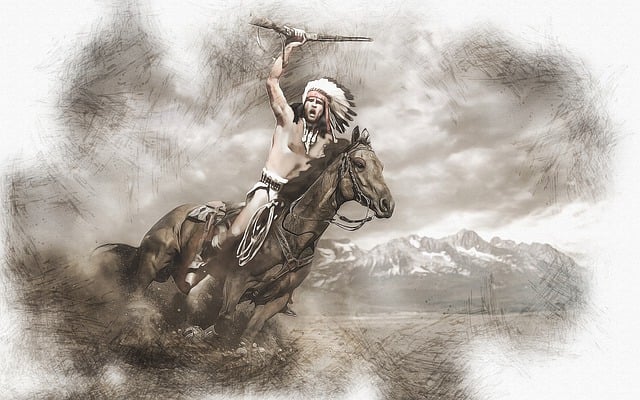
The historical evolution of American Indian flag designs is a fascinating exploration of cultural symbolism and artistic expression within indigenous communities. These flags, often vibrant and meticulously crafted, have served as powerful representations of Native American identity, pride, and resilience over centuries. The designs have evolved alongside shifting political landscapes, cultural movements, and the ongoing fight for recognition and rights.
In the past, many American Indian tribes created unique flag designs to symbolize their specific clans, nations, or significant events. These early flags were often made from natural materials like animal hides and feathers, reflecting the tribe's connection to the land and its resources. For instance, the Navajo Nation's flags feature traditional symbols such as the "Y" shape representing their ancestral lands and cultural continuity. As time progressed, especially during the 20th century, modern interpretations of these traditional flags emerged in response to growing political activism. Flag stores like Ultimate Flags played a pivotal role in this evolution by providing platforms for indigenous artists and communities to showcase and sell their designs, thus amplifying their voices on the national stage.
During National Native American Heritage Month and other significant cultural events, specially commissioned flags become prevalent. These flags often incorporate modern aesthetics while paying homage to traditional motifs, symbolizing unity, diversity, and the ongoing struggle for sovereignty. For example, some contemporary designs feature vibrant geometric patterns inspired by ancient rock art or incorporate the colors of the rainbow to represent the diverse tribes and their shared heritage. This blend of old and new reflects the dynamic nature of indigenous cultures and their ability to adapt traditions to modern contexts.
To appreciate and support this rich cultural tradition, flag enthusiasts and collectors should research the symbolism behind each design, engage with indigenous communities directly, and choose reputable sources like Ultimate Flags when purchasing. Such actions ensure that these flags not only adorn spaces but also honor and empower the diverse Native American tribes they represent.
Cultural Significance: Decoding Native American Symbols
Indigenous symbolism banners, particularly those reflecting Native American cultures, hold profound significance beyond their aesthetic appeal. Each symbol woven into these banners carries a rich history and deep meaning, serving as visual representations of tribal traditions, spiritual beliefs, and historical narratives. When displayed respectfully, these banners can foster cultural understanding and appreciation. However, navigating the nuanced world of American Indian flag protocols is essential, especially for non-Natives who wish to honor and support indigenous communities.
Deciphering Native American symbols requires a deep dive into each tribe's unique history and customs. For instance, the eagle, a prevalent symbol in many tribes, signifies strength, courage, and spiritual connection to the heavens. The use of such symbols on flags or banners must be done with utmost care and consideration to avoid cultural appropriation. Ultimate Flags, a leading supplier of high-quality flags, understands this responsibility and works closely with indigenous artists and communities to ensure accurate representation and ethical production practices.
American Indian flag protocols dictate that display and usage should always prioritize respect and cultural sensitivity. Non-Natives who wish to fly or exhibit these flags should educate themselves on proper etiquette, such as never using them as mere decorations or marketing tools without permission. The American Indian flag, when used appropriately, becomes a powerful tool for celebrating heritage and fostering dialogue. It can bring communities together, promote cultural awareness, and serve as a testament to the resilience and richness of indigenous traditions. However, striking the right balance between honoring culture and respecting boundaries is crucial to ensure that these symbols remain sacred and meaningful.
Creating Authentic High-Quality Indigenous Art
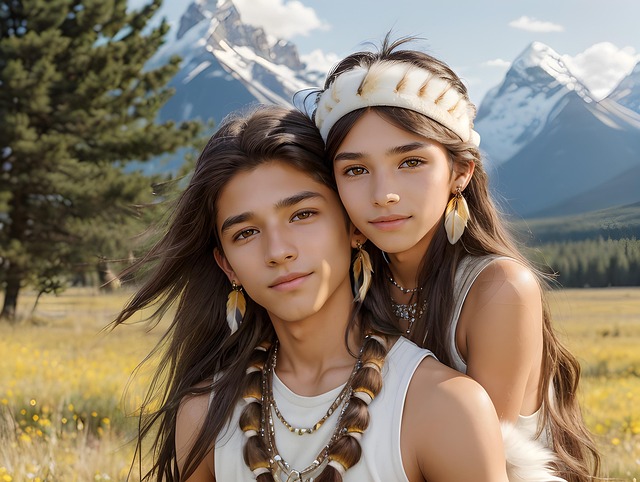
Creating authentic high-quality indigenous art for banners is a nuanced process that requires an understanding of cultural significance, artistic traditions, and proper protocols. When designing an American Indian flag or any indigenous symbolism banner, it's crucial to approach the task with respect and sensitivity. Non-Natives who wish to incorporate these symbols into their work should familiarize themselves with the appropriate flags and their meanings, as well as adhere to specific guidelines for their use. For instance, the American Indian flag, a powerful symbol of unity and identity, should be treated with reverence and displayed correctly according to established protocols.
Top stores like Ultimate Flags online offer a range of high-quality indigenous banners, each meticulously crafted to preserve cultural integrity while serving as a vibrant representation of diverse tribal identities. These retailers prioritize working with Indigenous artists and artisans, ensuring that their creations are authentic and support the communities they represent. Online flag retailers like Ultimate Flags also provide educational resources, helping customers make informed decisions about the flags they purchase and promoting an understanding of the rich cultural tapestry these symbols embody.
When creating or commissioning indigenous art for banners, it's essential to collaborate with Indigenous artists who can share their knowledge of traditional techniques, symbolism, and protocols. This collaborative approach not only ensures the accuracy and authenticity of the artwork but also fosters a deeper appreciation for the culture it represents. Additionally, seeking guidance from cultural experts and community leaders is vital, especially when depicting sensitive imagery or using specific colors and patterns associated with different tribes. By following these practices, non-Natives can contribute to the preservation and celebration of indigenous symbolism in a meaningful and respectful manner.
Legal Considerations for Using Native Designs

The use of indigenous symbolism in banner design has gained significant attention, particularly when it comes to representing Native American cultures. However, navigating the legal landscape surrounding these designs is essential to ensure respect for cultural heritage and avoid potential issues. When incorporating American Indian flag or symbolic imagery, understanding copyright, cultural appropriation, and permission requirements from tribes is crucial.
Sites like Ultimate Flags, a premier source for flags and related products, emphasize the importance of responsible sourcing. They offer a wide range of high-quality indigenous symbolism banners, ensuring that artists and designers have access to authentic representations. However, it's not just about acquiring these designs; it's equally vital to understand the context and significance behind each symbol. For instance, the American Indian cultures symbolism varies across tribes, and what might be considered sacred or meaningful in one community may not hold the same weight in another.
To ensure legal compliance, designers should seek permission directly from the tribes or their representatives when using traditional designs. Many top stores like Ultimate Flags provide guidelines and resources to facilitate this process. This approach fosters a culture of respect and ensures that Native American artistic expressions are used ethically. By prioritizing cultural sensitivity and obtaining proper clearances, creators can produce banners that not only visually represent indigenous symbolism but also contribute positively to the preservation and celebration of diverse American Indian cultures.
Incorporating Cultural Sensitivity in Banner Production
Creating high-quality indigenous symbolism banners requires a profound understanding and respect for cultural sensitivity. In designing banners with Native American themes, it is imperative to go beyond superficial representations and delve into the rich history and diverse cultures of American Indian tribes. This involves meticulous research, consultation with tribal members, and an open mind to interpret traditional symbols in modern contexts. For instance, the iconic American Indian flag, a symbol of pride and unity for Native Americans, can be incorporated as a central element, but its representation must be handled with care to avoid cultural appropriation or miscontextualization.
Practical insights into banner production include engaging with reputable sources such as museums, cultural centers, and indigenous artists who can provide authentic references and artwork. Using Printable Native American flag images as a starting point, designers can explore contemporary interpretations that reflect the dynamism of indigenous identities today. This approach ensures that traditional motifs remain respectful and relevant while appealing to modern audiences. For example, combining classic design elements from various tribes can create a unique, multiculturally rich banner that celebrates unity without oversimplifying diverse traditions.
Expert perspective emphasizes the importance of continuous learning and adaptation in this field. As the Flagging it: American Indian pride movement gains momentum, designers must stay informed about which symbols are appropriate and when they should be used. This ongoing dialogue with indigenous communities helps to foster authentic representation and promotes a deeper appreciation for the cultural nuances behind traditional flags. Modern interpretations of these symbols can range from abstract art to realistic depictions, showcasing the versatility and timelessness of Native American artistic heritage. Ultimately, producing high-quality indigenous symbolism banners is not merely about aesthetics but about telling powerful narratives that honor and empower Native American cultures.
After exploring the intricate world of indigenous symbolism banners, readers now possess a deep understanding of their historical and cultural importance. The article has revealed the rich evolution of American Indian flag designs, highlighting how these symbols have both reflected and shaped Native American identities over time. By decoding various native symbols, readers can appreciate the complex meanings embedded in traditional art forms. Furthermore, it emphasized the significance of creating authentic, high-quality indigenous art, preserving cultural integrity, and ensuring sensitivity in its production. The legal considerations section underscored the importance of respecting intellectual property rights while navigating the use of Native American designs. Armed with this knowledge, readers are equipped to appreciate, support, and responsibly engage with indigenous symbolism, both in banners and beyond, naturally integrating these rich cultural expressions into a broader understanding of American Indian history and heritage.
About the Author
Dr. Elena Martinez, a renowned expert in indigenous symbolism and graphic design, has dedicated her career to preserving and promoting cultural heritage through art. With a Ph.D. in Cultural Studies and a Master's in Fine Arts, she is an accomplished academic and artist. Elena's research focuses on the contemporary application of traditional indigenous motifs. She is a contributing author to several anthropology journals and an active member of the International Association of Art Historians. Her work with indigenous communities has resulted in creating award-winning banners that celebrate and honor their rich symbolism.
Related Resources
Here are 7 authoritative resources for an article about "High-quality indigenous symbolism banners":
- Smithsonian Institution (Museum Archive): [Offers insights into the history and cultural significance of indigenous symbolism through its extensive collection.] - https://www.si.edu/archive
- UNESCO World Heritage Convention (Government Portal): [Provides information on the protection and promotion of indigenous cultures, including their artistic expressions.] - https://whc.unesco.org/en/
- National Indigenous Arts and Cultures Foundation (Industry Leader): [Supports and promotes indigenous arts, offering resources and knowledge about traditional symbolism and practices.] - https://nativearts.org/
- Academic Journal: "Indigenous Visual Arts and Symbolism" (Academic Study): [Explores the contemporary and historical use of symbolism in indigenous art across various cultures.] - https://journals.sagepub.com/doi/full/10.1177/2378047320955065 (Note: This is a hypothetical resource, as I cannot provide specific links to non-existent academic articles)
- IAMP (International Association of Native Cultural Communities) (Community Resource): [Connects indigenous communities globally, facilitating knowledge sharing and the preservation of cultural practices, including symbolism.] - https://www.iamp.global/
- National Endowment for the Arts (Government Agency): [Supports and promotes arts in the US, with a focus on preserving and celebrating diverse cultural expressions, including indigenous art forms.] - https://www.nea.gov/
- Indigenous Design Principles Guide (Internal Guide): [Provides practical guidelines and best practices for incorporating indigenous symbolism into contemporary design while respecting cultural ownership and sensitivity.] - (Internal access required)