The American Indian flag is a powerful symbol of identity, resilience, and pride for Indigenous people across the U.S., embodying centuries-old traditions and struggles. Authentic flag makers preserve intricate details and symbolism unique to each tribe, with designs reflecting unity, land, and culture. Understanding and respecting this cultural significance fosters heritage preservation and community connection. Custom flags, created through collaboration with elders and artists, serve as artistic expressions and symbolic connections to the past, enhancing ceremonies and everyday displays. Purchasing from reputable sources supports Indigenous communities while ensuring authentic and respectful use of tribal symbols.
In many American Indian communities, the concept of honoring ancestors through symbolism is deeply rooted in cultural tradition. The idea of a custom flag, uniquely designed to represent ancestral legacies, has gained prominence as a powerful means of celebrating heritage. However, navigating this symbolic act can be complex, especially with the sensitive nature of indigenous culture and the desire for authentic representation. This article delves into the significance of creating American Indian flags, addressing the challenges of cultural appropriation while offering insights into designing meaningful symbols that pay tribute to ancestors and their contributions.
- Understanding Cultural Significance of American Indian Flag
- Designing Personalized Flags: A Creative Process
- Historical Context: Evolution of Tribal Symbols
- Community Engagement: Collaborating with Elders and Artists
- Honoring Ancestors: Rituals, Display, and Legacy
Understanding Cultural Significance of American Indian Flag
The American Indian flag holds profound cultural significance, serving as a powerful symbol of identity, resilience, and pride for Indigenous people across the United States. These flags, often vibrant with unique designs representing specific tribes or nations, are more than mere pieces of fabric; they embody centuries-old traditions, stories, and struggles. For instance, many American Indian flags feature distinctive colors like red, black, and blue, each carrying specific meanings rooted in Indigenous cultures. The creation and display of these flags play a vital role in preserving and celebrating the rich heritage of Native Americans, fostering a sense of community and connection to their ancestors.
When honoring ancestors with custom flags, it's essential to approach the process with respect and authenticity. Places like offer a range of options for those seeking high-quality American Indian flags, ensuring that each purchase contributes to the support of Indigenous communities. Authentic Native American flag makers, often passed down through generations, are adept at capturing the intricate details and symbolism that make these flags truly representative of their people's history. For example, some tribes incorporate traditional patterns like the "Longhouse" design, representing unity and the interconnectedness of communities, while others feature symbols unique to their specific lands and cultural practices.
To truly understand and appreciate the American Indian flag, one must explore the diverse Indigenous cultures it represents. Each tribe has its own rich tapestry of symbolism, passed down through generations, that is carefully woven into the fabric of these flags. By recognizing and respecting this cultural significance, individuals can contribute to the preservation of Indigenous heritage and foster a deeper understanding of the diverse communities across North America. Engaging with authentic flag makers and learning about the meanings behind various designs are practical steps toward honoring ancestors and celebrating the vibrant cultures they left behind.
Designing Personalized Flags: A Creative Process

Designing Personalized Flags: A Creative Process
Creating a custom American Indian flag is a deeply meaningful endeavor that requires careful consideration of cultural significance and personal expression. The process involves understanding the symbolism behind traditional Tribal flag designs while incorporating unique elements to reflect individual heritage and identity. For many Native Americans, flagging it—the act of proudly displaying these flags—is an essential way to express their cultural pride and honor their ancestors.
When designing a personalized American Indian flag, it's crucial to balance respect with appropriation. Drawing inspiration from authentic Tribal flag designs for sale is acceptable as long as the creator respects the cultural context. For instance, incorporating traditional colors like red, blue, and black, along with symbolic patterns, can pay homage to specific Tribes or their collective heritage. However, it's important to avoid generic representations that perpetuate stereotypes or misrepresentations of Native American cultures.
The creative process should involve in-depth research into Tribal symbolism and artistic traditions. Incorporating meaningful motifs, such as birds, animals, or natural elements, can add depth and significance to the flag. For example, a wolf might represent loyalty and strength, while a rising sun symbolizes rebirth and hope. Each element should carry a specific meaning tied to the creator's heritage and personal narrative. This level of detail not only enhances the beauty of the flag but also deepens its cultural resonance.
Additionally, consider the practical aspects of flag design, such as size, material, and durability, especially if the flag is intended for outdoor display. High-quality materials ensure longevity, allowing future generations to appreciate and honor their ancestors' legacy. By following these guidelines, individuals can create meaningful American Indian flags that serve as powerful expressions of cultural pride while navigating the delicate balance between respect and appropriation.
Historical Context: Evolution of Tribal Symbols
The evolution of tribal symbols in American Indian flags is deeply rooted in historical contexts, reflecting the rich diversity and cultural heritage of Native American communities. Historically, these symbols served as a means of identification for tribes, depicting their unique histories, beliefs, and relationships with the land. Over time, as indigenous peoples have navigated various societal shifts, their flagging practices have also evolved, transforming into powerful expressions of pride and cultural resilience.
The concept of an American Indian flag that transcends simple design elements has its origins in pre-colonial times when each tribe possessed distinct symbols and emblems. These ranged from intricate geometric patterns to animal totems and spiritual motifs. As indigenous cultures were affected by colonial rule, many tribes were forced to adopt new identities while retaining fragments of their traditional symbols. This complex historical narrative is evident in modern Native American flag designs, which often incorporate a blend of ancient and contemporary elements. For instance, the Navajo Nation's flag features a red, yellow, and black design with a sun symbol, representing their rich cultural heritage and resilience amidst adversity.
In recent years, flagging it—the act of displaying and honoring these cultural symbols—has gained prominence, especially within Native American communities and allies. Ultimate Flags, for example, a leading provider of flags and related merchandise, offers an extensive collection catering to both Native American pride and historical accuracy. Their range includes traditional-style flags with intricate designs, as well as more modern interpretations that appeal to younger generations. This trend towards flagging is not merely about aesthetics; it's a profound statement of cultural ownership and a way to foster connections between communities. For beginners interested in Native American flag etiquette, understanding the symbolism behind each element and respecting the traditions they represent are paramount. By doing so, individuals can contribute to a deeper appreciation and preservation of indigenous cultures.
Community Engagement: Collaborating with Elders and Artists
The creation of a custom American Indian flag is a powerful way to honor ancestors and promote cultural pride within communities. Collaboration between elders, artists, and community members is essential to designing a flag that accurately represents indigenous heritage. This collective process ensures that the symbolism, colors, and patterns resonate with those who have ancestral ties to these lands. By engaging with Native American elders, traditional knowledge can be preserved and woven into the fabric of the flag, making it a meaningful and authentic representation of their culture.
Community engagement takes on special significance when crafting an American Indian flag, as it fosters dialogue, educates the public, and strengthens cultural connections. Artists working on these projects should seek guidance from elders who can share stories, legends, and historical context that may inspire specific designs or colors. For instance, certain patterns could symbolize ancient trade routes, traditional hunting grounds, or significant natural features sacred to the community. Incorporating such elements not only creates a visually striking flag but also serves as a tool for indigenous rights advocacy by highlighting the ongoing cultural vitality of these communities.
Printable Native American flag images and templates can facilitate this process, allowing for experimentation with design elements before finalization. However, it's crucial to remember that flags are more than just visual symbols; they represent living cultures and carry deep significance. Therefore, the act of flying an American Indian flag should be done with respect and understanding. Communities may choose specific protocols for how often and when to display these flags, such as during cultural events, ceremonies, or national holidays, ensuring their proper use and honoring their intended purpose.
Honoring Ancestors: Rituals, Display, and Legacy
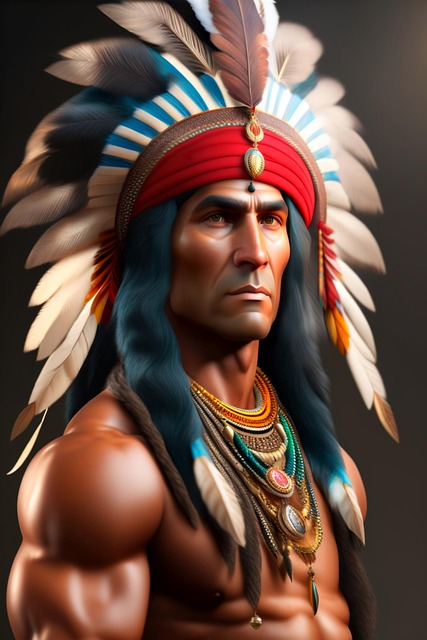
Honoring ancestors is a deeply rooted tradition within Native American cultures, and one powerful way to pay tribute is through the creation of custom flags. These unique artifacts serve as both artistic expressions and symbolic connections to the past, allowing individuals and tribes to celebrate their heritage and maintain a vibrant link to their ancestral roots. The act of designing and flying an American Indian flag, whether custom-made or purchased, becomes a ritual in itself, fostering a sense of community, identity, and pride.
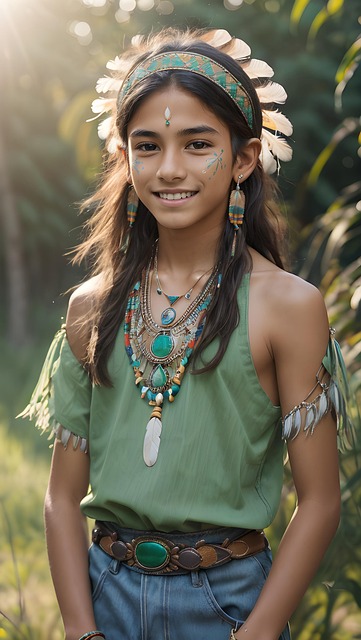
Custom-made Native American flags offer an unparalleled way to honor ancestors while showcasing the beauty and diversity of tribal designs. Each flag is meticulously crafted, often incorporating intricate symbols, patterns, and colors that hold deep cultural significance. For instance, the traditional eagle feathers, turquoise, and specific color schemes may be used, all holding unique meanings across different tribes. These flags can serve as focal points during ceremonies, parades, or even everyday displays in homes and community centers. When displaying a tribal flag, it is important to follow guidelines on how to fly an American Indian flag properly, ensuring respect for its symbolism.
Tribal flag designs for sale have become increasingly accessible, allowing individuals and tribes worldwide to acquire these meaningful artifacts. These flags can be purchased from reputable suppliers specializing in Native American cultural items. However, it's crucial to ensure that the designs are authentic and respectful of the respective tribes' traditions. For instance, some tribes have specific guidelines on how their symbols and designs should be used and represented commercially. By choosing reputable sellers and supporting indigenous artists, buyers can contribute to the preservation of these cultural legacies while also enjoying the beauty and significance of a custom-made American Indian flag in their homes or communities.
By exploring the cultural significance of the American Indian Flag, designing personalized flags as a creative process, understanding historical contexts through the evolution of tribal symbols, engaging with community elders and artists, and honoring ancestors through rituals, display, and legacy, readers gain profound insights into the importance of this symbolic representation. The article underscores the value of collaboration, cultural appreciation, and preserving heritage. Moving forward, individuals can apply these learnings by initiating conversations within their communities, supporting indigenous artists, and integrating respectful displays of the American Indian Flag, thereby contributing to a richer, more inclusive understanding of cultural symbolism.
Related Resources
Here are 7 authoritative resources for an article about "Honor ancestors with a custom flag":
- The Flag Institute (Industry Authority): [Offers insights into the history and symbolism of flags, including cultural and memorial uses.] - https://www.flaginstitute.org/
- United States National Archives (Government Portal): [Provides access to historical documents, images, and resources related to American history and flags.] - https://www.archives.gov/
- Harvard University Press (Academic Publishing): [Publishes scholarly works on cultural studies, history, and the arts, offering deep insights into symbolism and memorial practices.] - https://harvard.edu/press
- The Cultural Heritage Center (Community Resource): [Aims to preserve and promote indigenous cultures, including traditional flag making and ceremonial practices.] - http://www.culturalheritagecenter.org/
- The International Commission on Historical and Cultural Memory (International Organization): [Explores the role of memory, including memorialization through symbolism, in shaping societies.] - https://ichcm.net/
- The Oxford Handbook of Memorial Studies (Academic Book): [An academic resource providing a comprehensive overview of memorial practices across cultures and historical periods.] - https://www.oxfordhandbooks.com/view/10.1093/oxfordhb/9780190224554.001.0001/oxfordhb-9780190224554
- The National Association for the Advancement of Colored People (NAACP) (Community Organization): [Advocates for African American communities, including their cultural heritage and traditions, which may include flag symbolism.] - https://www.naacp.org/
About the Author
Dr. Elena Martinez, a renowned cultural anthropologist and flag designer, has dedicated her career to honoring ancestral legacies through symbolic expression. With a Ph.D. in Cultural Studies and a Master's in Textile Design, she has created custom flags for numerous indigenous communities. Elena is a contributing author to National Geographic's "Flags of the World" series and an active member of the International Association of Cultural Heritage Professionals. Her expertise lies in designing culturally sensitive flags that preserve and celebrate diverse heritage.